Bertha.ai
Копирайтинг и генератор изображений для WordPress
Модели, на которых работает изрядная часть того, чем вы уже пользуетесь, — с оплатой за мегапиксели, а не за месяц. По факту генерации, от двух центов за картинку, плюс видео и веса для своего сервера.
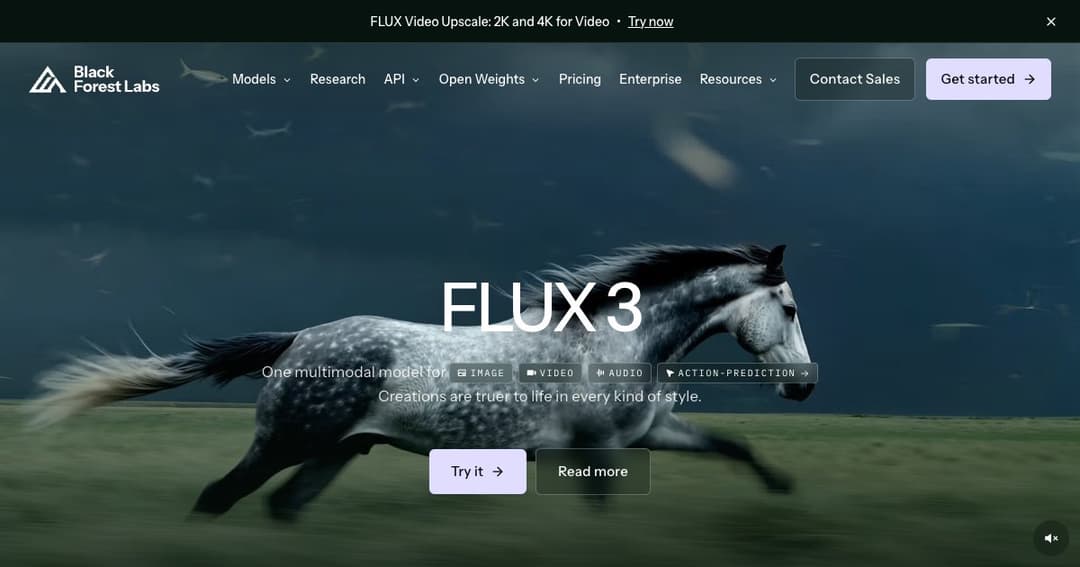
FLUX — семейство моделей изображений и видео от Black Forest Labs, немецкой компании, основанной исследователями, которые до этого сделали Stable Diffusion. Это не приложение, куда заходишь и начинаешь рисовать: это движок, который продают через API, лицензируют для установки на своё железо и встраивают в огромное количество продуктов, которыми вы пользовались, не зная, что внутри.
Понять это отличие полезнее всего до того, как оценивать остальное. Если нужно место, где вводишь запрос и получаешь картинку, — вам нужен один из инструментов, построенных на FLUX. Если вы что-то разрабатываете, считаете стоимость картинки на объёме или вам нужна модель на собственном железе — вам нужен сам FLUX.
Площадка для проб есть, но продукт здесь — модель. Об этом говорит и вся схема оплаты: ни мест, ни подписки, ни минимального ежемесячного платежа — вы платите за пиксели, которые действительно сгенерировали.
Новейшее поколение — одна мультимодальная модель, охватывающая изображения, видео и звук разом, тогда как предыдущее семейство изображений всё ещё продаётся отдельными тарифами на странице цен. Сосуществование двух поколений здесь в порядке вещей, и это стоит проверить до того, как на что-то решаться: ниже описана структура тарифов, а она меняется медленнее, чем названия моделей.
Нынешнее семейство изображений тянется от тарифа с максимальной детализацией под коммерческий продакшен до компактных вариантов, сделанных ради пропускной способности и низкой задержки. Размен очевидный — качество против скорости и цены картинки, — но разброс необычно широкий: примерно от семи центов у верхнего тарифа до заметно меньше двух у самого мелкого.
Все они умеют работать с референсными изображениями, и именно этим FLUX окупает себя в продакшене. Подать готовую картинку и попросить вариацию, правку или одного и того же персонажа во всей серии — вот сценарий, который на деле и нужен большинству; тарифицируется он отдельно, за мегапиксель референса, и это стоит знать до того, как строить вокруг него конвейер.
Видео считается по секундам готового ролика, а не по клипам, с разделением по разрешению и по тому, генерируете вы из текста и кадров или переделываете существующий материал. Звук идёт без доплаты, длина ролика — до двадцати секунд. Есть дешёвый черновой режим для поиска и полное качество для того дубля, который оставляете, — разумная схема, потому что большая часть сгенерированного видео идёт в корзину.
Рядом с генеративными моделями стоят инструменты для дорисовки внутри и снаружи кадра, структурного контроля и подобной работы. Значат они больше, чем звучат: разница между демонстрацией и рабочим конвейером обычно в том, можете ли вы ограничить результат, а не в том, умеет ли модель рисовать.
| Уровень | Первый мегапиксель | Каждый следующий МП | Для чего |
|---|---|---|---|
| Max | $0,07 | $0,03 | Максимальная детализация, коммерческий продакшен, до 4 МП |
| Pro | $0,03 | $0,015 | Баланс качества и скорости, профессиональный поток |
| Compact 9B | $0,015 | $0,002 | Высокая пропускная способность, низкая задержка, реальное время |
| Compact 4B | $0,014 | $0,001 | Максимальная скорость, самая низкая цена картинки |
| Flex | $0,05/МП | $0,05/МП | Ровная оплата за мегапиксель, без минимума на картинку |
Видео тарифицируется посекундно. Черновая генерация начинается с шести центов за секунду; полное качество из текста — от семнадцати центов за секунду в HD, а переработка готового видео стоит дороже генерации с нуля. Пятисекундный HD-ролик, таким образом, укладывается в доллар — вот цифра, которую стоит запомнить.
Разрешение округляется вверх до целого мегапикселя — отдельно для результата и отдельно для каждого референса, — и неполные секунды видео тоже округляются вверх. Ни то, ни другое не редкость, но вместе они означают, что реальный расход чуть выше арифметики. Закладывайте это в бюджет, а не узнавайте из счёта.
Бесплатного тарифа у первоисточника нет. Самый честный дешёвый способ познакомиться с FLUX — через один из сторонних сервисов, где он размещён; у некоторых есть бесплатные генерации.
Часть моделей FLUX выпущена с открытыми весами, и во многом поэтому семейство так быстро разошлось: оно попало в сообщества локальной генерации и там осталось. Но открытые веса — это не бесплатные веса, и вот на этой детали чаще всего и спотыкаются.
У некоммерческого использования свои условия лицензии. Коммерческий запуск на своём железе требует платной лицензии, и продаётся она уровнями, которые отличаются набором моделей, месячным лимитом изображений, количеством доменов и числом лицензированных пользователей. Цены опубликованы не для всех: начальный уровень можно купить сразу, остальные — через отдел продаж.
Права на дообучение и LoRA входят в лицензии для своего железа, и ровно ради этого веса обычно и нужны. Если в планах модель, обученная на ваших фирменных материалах и работающая на вашей инфраструктуре, — это тот самый путь; только прочитайте условия внимательно, потому что ограничения там помесячные и подоменные, а не разовые.
Самый очевидный случай. Оплата по факту без платы за места означает, что функция, генерирующая сотню картинок в месяц, стоит пару долларов, а генерирующая миллион масштабируется линейно и без пересогласований. Такое встроить в продукт куда проще, чем подписку, которую придётся перепродавать.
Каталожные изображения, варианты рекламы, обложки на потоке. Когда счёт идёт на тысячи картинок, разница между тремя центами и полутора перестаёт быть мелочью, а возможность отправлять дешёвый поиск на компактную модель, а финальные рендеры — на верхний тариф стоит того, чтобы заложить её в архитектуру.
Запуск на своём железе — причина, по которой многие организации выбирают FLUX вместо закрытых аналогов. Если изображения не могут покидать вашу инфраструктуру, вопрос «какая модель лучше» очень быстро сужается до тех, которые вы способны запустить.
Одни и те же персонажи, единый фирменный стиль, конкретный товар, отрисованный правильно каждый раз. Права на дообучение в лицензии для своего железа делают это возможным так, как не сделает никакая работа с промптами против закрытого API.
Напрямую у Black Forest Labs — нет: API работает по факту потребления, бесплатного объёма не предусмотрено. Часть моделей выпущена с открытыми весами на условиях некоммерческой лицензии, а некоторые сторонние сервисы, где размещён FLUX, дают бесплатные генерации — это и есть практичный способ попробовать без затрат.
Примерно от полутора до семи центов за первый мегапиксель — в зависимости от тарифа, — плюс дополнительные мегапиксели и референсы сверху. Для большинства картинка обычного размера на среднем тарифе выходит около трёх центов.
Через платный API — да. С запуском на своём железе иначе: коммерческое использование требует подходящей платной лицензии, некоммерческие условия его не покрывают. Разберитесь с этим до того, как строить на этом бизнес, а не после.
Да, для моделей с открытыми весами и на подходящей вашему случаю лицензии. Коммерческие лицензии для своего железа дают ещё и права на дообучение и LoRA — обычно ради этого их и берут.
Это продукты разного рода. Midjourney — готовый опыт с месячной подпиской и сильной собственной эстетикой. FLUX — модель, с которой вы что-то строите, с оплатой за картинку и без мнения о том, каким должен быть ваш интерфейс. Сравнивайте их по вашей задаче, а не только по качеству картинки.
У Black Forest Labs есть площадка для проб и API. Кроме того, FLUX доступен на большинстве крупных платформ, размещающих модели, и встроен в длинный список пользовательских творческих инструментов — часто без упоминания в интерфейсе.
FLUX — тихий ответ на вопрос, что же крутится под капотом у большинства ИИ-генераторов изображений. Его ценность в схеме оплаты и в вариантах развёртывания, а не в какой-то одной впечатляющей способности: центы за картинку, отсутствие подписки и путь к тому, чтобы запустить всё это у себя, если понадобится.
Если вы делаете продукт, генерируете на объёме или связаны требованиями к тому, где могут находиться ваши данные, — начинайте отсюда. Если просто хочется делать картинки, возьмите один из построенных на нём инструментов и оставьте арифметику с мегапикселями кому-нибудь другому.