Retell AI
собрать, протестировать и запустить голосовых агентов
API
Голосовые агенты на стеке, который Bland держит от начала до конца, — для здравоохранения, страхования и финансов. Бесплатный тариф с оплатой $0,14 за минуту, платные — от $299.
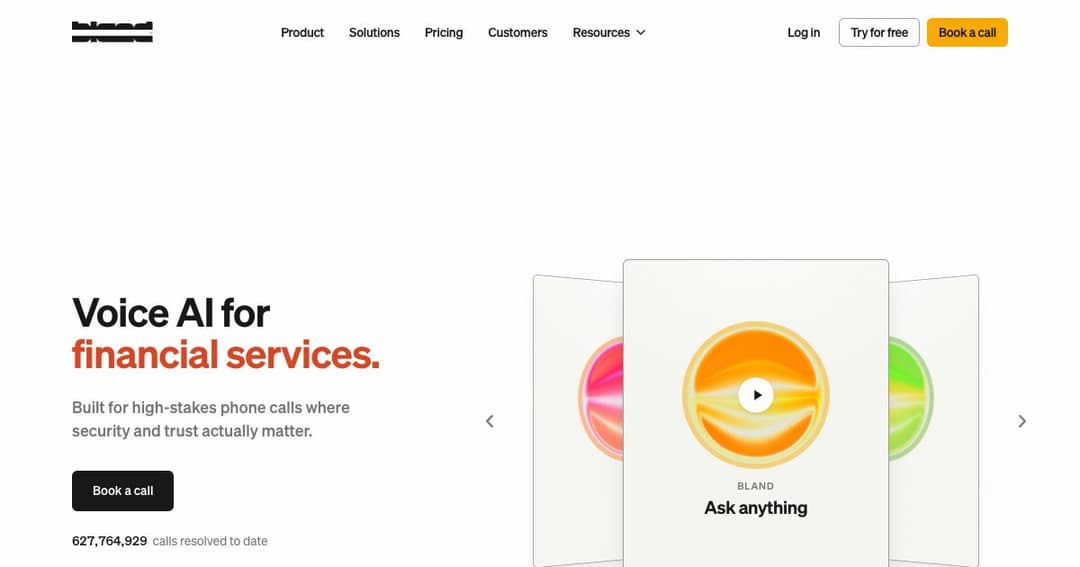
Bland AI делает голосовых агентов для телефонных звонков и занимает при этом необычную позицию: ему принадлежит весь стек. Распознавание речи, рассуждение, синтез голоса и телефония работают на собственной инфраструктуре Bland, а не сшиты из чужих API. Отсюда и прямолинейное обещание: ничто из вашего звонка не покидает путь, которым управляет Bland.
Это и есть стратегическая ставка, отделяющая его от Vapi и Retell, которые оркестрируют чужие модели. Вертикальная интеграция стоит колоссальных инженерных усилий и лишает возможности взять голосовую модель, которая лучше всех звучит в этом квартале. Взамен она покупает две вещи, которые регулируемым отраслям важнее новизны: задержку, которой вы управляете целиком, и историю про соответствие требованиям, где нет третьих лиц.
Рынок к этой ставке склонился. В июне 2026 года Bland поднял раунд C на $50 млн под руководством Dell Technologies Capital, доведя суммарное финансирование до более чем $100 млн менее чем за три года: к раунду присоединился HubSpot Ventures, а Emergence Capital, который за полтора года до того вёл раунд B, зашёл снова. Fortune опубликовал деталь, которую основатели теперь рассказывают о себе сами: 180 инвесторов отказали, прежде чем кто-то согласился. Компания сообщает более чем о 250 корпоративных клиентах и более чем 175 миллионах звонков за прошедший год.
Маршрут — это карта того, как звонку разрешено идти. Агент понимает живую речь: люди перебивают, меняют тему, отвечают на вопрос на два вопроса раньше, — но структура под этим решает, что может произойти дальше. Смысл именно в сочетании. Чистый промпт красиво обработает перебивание и тут же забудет, что сначала полагалось подтвердить личность.
Для страхового случая или продления рецепта последовательность — не украшение. Кто-то записал её не просто так, и часто её потом читает регулятор. Маршруты существуют, чтобы разговорная часть могла быть гибкой, а процедурная — нет.
Bland заявляет около 400 миллисекунд отклика и противопоставляет их среднему по отрасли, которое оценивает примерно в 1240 миллисекунд. К сравнениям от вендора стоит относиться со здоровым скепсисом, но логика под ними верна: каждый переход между отдельно размещёнными моделями добавляет задержку, а платформе на собственном стеке этих переходов оплачивать меньше.
На телефонном звонке задержка — не метрика для красоты. Ниже примерно полусекунды обмен репликами ощущается как разговор. Выше секунды звонящий начинает говорить поверх агента, агент замолкает, чтобы слушать, и звонок вырождается во взаимные извинения. Это самая частая причина, по которой голосового агента называют откровенно роботизированным.
Платформа позволяет прогнать агента через большие наборы сценариев до первого настоящего звонка — в маркетинге упоминается набор больше чем на тысячу сценариев — и наблюдать за живыми звонками, когда они пойдут. Клонирование голоса даёт собственный голос вместо выбора из готового списка, что важно брендам с уже сложившейся звуковой айдентикой.
Интеграции покрывают системы, которых эти звонки действительно касаются: Twilio, Salesforce, HubSpot, Slack, Zapier, Genesys и другие, плюс API для всего остального. Корпоративные внедрения можно разместить в вашем собственном VPC или на своём железе, с выделенным инженером на площадке — старомодная схема, которая точно указывает, за каким покупателем компания идёт.
Bland берёт ежемесячную плату за платформу плюс поминутный тариф, и чем выше плата за платформу, тем ниже цена минуты. Такая конструкция вознаграждает объём и наказывает баловство — фильтр вполне сознательный.
| Тариф | Плата за платформу | За минуту | Переводы звонка | Звонков в сутки | Одновременно |
|---|---|---|---|---|---|
| Start | $0 | $0,14 | $0,05/мин | 100 | 10 |
| Build | $299/мес | $0,12 | $0,04/мин | 2000 | 50 |
| Scale | $499/мес | $0,11 | $0,03/мин | 5000 | 100 |
| Enterprise | По договору под объём | Индивидуально | Индивидуально | Без ограничений | Индивидуально |
В тариф Start входят два кредита и входящий номер, который компания оценивает в $15 в месяц, карта при этом не нужна. Арифметика перехода простая: со Start на Build вы экономите два цента на минуте и платите $299, то есть переход окупается примерно на 15 000 минутах в месяц. Ниже этого порога плата за платформу покупает вам одновременность и суточные лимиты, а не более дешёвую минуту.
Корпоративный тариф закрывает соглашения об обработке медицинских данных, SSO, размещение данных по регионам и установку на своей площадке. Если эти слова есть в вашем закупочном чек-листе, из всей таблицы к вам относится только эта строка.
Здравоохранение, страхование и финансы — заявленный фокус, и причина этому собственный стек. Когда вопрос соответствия звучит как «какие третьи стороны обрабатывают аудио», ответ «никакие» защищать заметно легче, чем список.
Страховые случаи, проверка права на услугу, взыскание задолженности, перенос приёма в клинике. Это разговоры, у которых есть правильный исход, а не только приятный, и маршруты вместе с массовым прогоном сценариев нацелены ровно на них.
Интеграция с Genesys и вариант установки на своей площадке указывают на организации, у которых контакт-центр уже работает и которые хотят отправить в отставку меню «нажмите один для оплаты», не заменяя всё, что стоит за ним.
Подтверждение отгрузки, окна доставки, отметки водителей — большой объём, низкая сложность и мучительный подбор людей. Экономика здесь сходится почти при любой цене минуты, потому что альтернатива — человек, который делает это в три часа ночи.
Есть бесплатный тариф Start без платы за платформу, с двумя кредитами и входящим номером, карта не нужна. Звонки при этом стоят $0,14 за минуту, так что держать агента бесплатно, а вот пользоваться им — нет.
Две разные вещи, и их стоит разделять. Bland работает на собственных моделях, а не обращается к OpenAI или ElevenLabs, — это верно на любом тарифе. Отдельно от этого корпоративные клиенты могут развернуть платформу в своём VPC или на своём железе. Первое — это продукт, второе — пункт договора.
Bland поддерживает HIPAA, PCI DSS и SOC 2 и предлагает соглашения об обработке медицинских данных в корпоративных договорах. Соответствие требованиям — свойство вашего внедрения и вашего договора, а не логотипа на сайте, поэтому конкретика — предмет того самого разговора.
Vapi оркестрирует модели, которые выбираете вы, и даёт максимум контроля. Retell оборачивает похожую архитектуру в конструктор сценариев с тестированием и оценкой. Bland владеет всем стеком и продаёт следствия: ниже задержка, проще поверхность соответствия требованиям, меньше гибкости. Выбор в основном о том, что для вас ограничение — инженерная свобода или риск проверки.
Да. Клонирование голоса входит в платформу, поэтому агент может говорить голосом именно вашего бренда, а не взятым из общей библиотеки. Получите письменное согласие того, чей голос клонируете, прежде чем это делать.
Компания называет 30 дней для корпоративных внедрений в боевую эксплуатацию. Это правдоподобно для хорошо очерченного входящего сценария с готовой интеграцией и оптимистично для всего, что требует новой работы с системами на вашей стороне.
Bland AI сделал ставку тяжелее, чем конкуренты: построить весь стек, принять на себя расходы и продавать то, что это делает возможным. В итоге платформа нацелена не столько на разработчиков, изучающих голосовой ИИ, сколько на организации, которым нужно, чтобы телефонный разговор проходил правильно каждый раз, и чтобы на вопрос, куда ушло аудио, был проверяемый ответ.
Если вы экспериментируете, бесплатный тариф — честное место, чтобы услышать, как звучат современные голосовые агенты. Если вы в здравоохранении, страховании или финансах, это платформа, чью архитектуру проектировали с оглядкой на вашу проверку соответствия, — а это гораздо более короткий разговор, чем достраивание той, где об этом не думали.