Ollama
запуск открытых ИИ-моделей на своей машине
БесплатноAPI
Запускает открытые модели на вашей машине: чат, агент, офлайн-расшифровка речи и локальный сервер. Бесплатно, с необязательными облачными кредитами по факту.
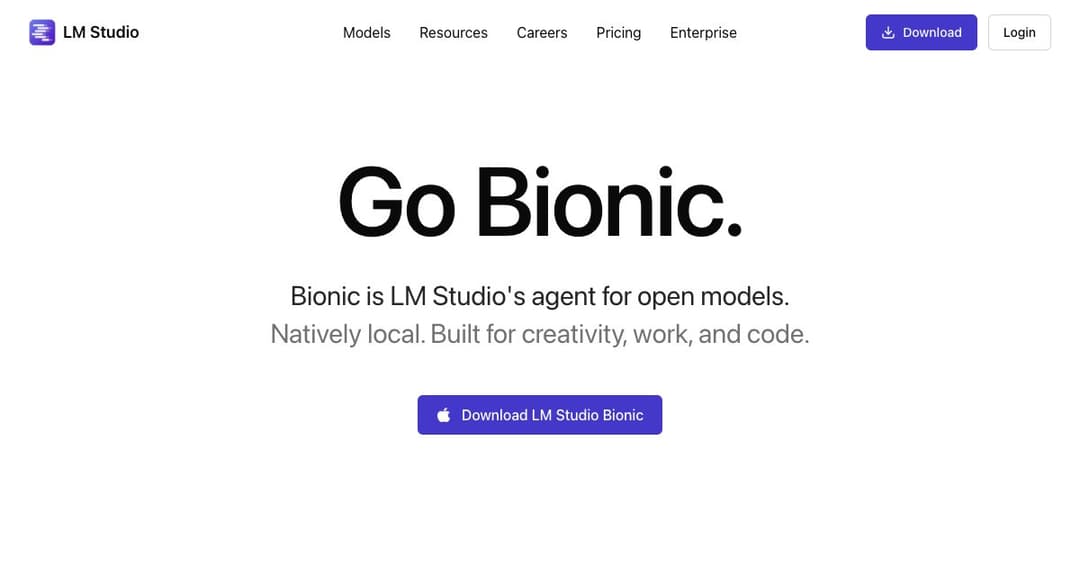
LM Studio — настольное приложение для запуска открытых языковых моделей на собственном компьютере. Вы ставите его, листаете каталог, скачиваете модель и начинаете печатать: без терминала, без питоновского окружения, без конфигов. Для большинства это кратчайший путь от любопытства к локальному ИИ до реального разговора с моделью.
Внутри работают llama.cpp и MLX — два движка инференса, на которых держится большая часть локального ИИ. Вклад LM Studio — слой над ними: браузер моделей, который подскажет, что поместится в вашу память, чат, локальный сервер за переключателем и теперь агент по имени Bionic, умеющий работать с документами и кодом, а не только отвечать на вопросы.
Он перерос роль запускалки моделей. Приложение делает офлайн-расшифровку речи на нескольких языках, синхронизируется между пятью устройствами и умеет дотягиваться до облачных моделей, когда локальной не хватает. Бесплатный тариф покрывает все локальные возможности — и это не урезанная версия продукта, а сам продукт.
Браузер моделей — та функция, которая незаметно важнее всех. Каждая открытая модель существует в нескольких размерах и нескольких вариантах квантования, и разница между сборкой, которая работает прекрасно, и той, что сделает машину непригодной, из названия не видна. LM Studio смотрит на ваше железо и говорит, какие сборки поместятся.
Одна эта подсказка убирает самую частую первую неудачу с локальным ИИ: скачать что-то огромное, посмотреть, как оно ползёт, и решить, что локальные модели бесполезны. Они не бесполезны — вы выбрали не ту, и по имени файла этого было не понять.
Bionic — агент LM Studio для открытых моделей. Вместо того чтобы просто отвечать в окне чата, он создаёт и правит документы, сам заботясь о сохранении, работает с кодом и умеет управлять компьютером. Он нацелен на тот же сдвиг, который идёт по всей области: от модели, которая отвечает, к модели, которая делает.
Интересно, что нацелен он именно на открытые модели, а не на модели переднего края. Агенту нужно много шагов, а много шагов через платный API — самый быстрый путь к неприятному счёту. Прогон цикла локально меняет эту арифметику полностью: предельная стоимость десятой попытки равна нулю.
За приложением стоит сервер, который поднимается командой lms server start и отдаёт совместимые с OpenAI эндпоинты для chat completions и эмбеддингов. Есть официальные SDK для TypeScript и Python, CLI для управления моделями и демоном и аутентификация по bearer-токену на REST API — деталь необычная и приятная, потому что большинство локальных серверов открыты всему, что есть на машине.
Именно это делает LM Studio чем-то большим, чем потребительское приложение. Одна и та же установка обслуживает и того, кому нужно окно чата, и того, кому нужна программируемая точка входа, — и ни одному не приходится знать о существовании другого.
Локальное приложение бесплатно, и бесплатный тариф необычно полный. Деньги появляются только тогда, когда вы тянетесь к облачным моделям.
| Что | Цена | Примечания |
|---|---|---|
| Приложение и локальные модели | $0 | llama.cpp и MLX, ничего не покидает устройство |
| Агент Bionic | $0 | Входит в бесплатный тариф |
| Офлайн-расшифровка речи | $0 | Обрабатывается локально, несколько языков |
| Инструмент веб-поиска | $0 | Без сохранения данных при входе в аккаунт |
| LM Link | $0 | Синхронизация до 5 устройств |
| Облако: DeepSeek V4 Flash | $0,13 вход / $0,26 выход | За миллион токенов |
| Облако: GLM-5.3-Flash | $0,15 вход / $0,50 выход | За миллион токенов |
| Облако: DeepSeek V4 Pro | $1,74 вход / $3,48 выход | За миллион токенов |
| Облако: Kimi K3 | $3,00 вход / $15,00 выход | За миллион токенов |
| Bionic Pass | Пока не объявлена | Компания обещает подробности позже |
Подписки за локальный запуск моделей нет, лицензии на рабочее место читать не придётся. Облако покупается кредитами и считается за миллион токенов, причём для облачных сервисов заявлено нулевое хранение данных. Разрыв между самой дешёвой и самой дорогой моделью в списке — больше чем двадцатикратный по выходным токенам, так что выбор модели и есть весь разговор о цене.
Как и у любого локального инструмента, настоящая статья расходов — железо. Шестнадцать гигабайт памяти приятно тянут небольшие модели; тридцать два и больше открывают те размеры, которые имеют в виду, когда говорят, что локальная модель ощущалась по-настоящему полезной.
Это то, что стоит посоветовать человеку, который слышал, что модели умеют работать на ноутбуке, и хочет это увидеть. Поставить, скачать предложенную модель, печатать. Пятнадцать минут, никакого терминала, а подсказка по железу не даст выбрать то, что разочарует.
Договоры, записи о пациентах, неопубликованная отчётность, внутренние разборы инцидентов. Локальная обработка — не политика приватности, которой надо верить, а архитектурный факт, и офлайн-расшифровка распространяет его на записи встреч.
Интерфейс, чтобы разобраться, как ведёт себя модель, и совместимая с OpenAI точка входа, чтобы под неё писать, — в одной установке. Возможность увидеть разговор и тут же воспроизвести его через SDK заметно укорачивает цикл.
Длинные цепочки вызовов инструментов, повторы и самоисправление жгут токены. Прогон этого цикла на локальных весах убирает счётчик, а это меняет то, на что вы готовы отпустить агента.
Да, для всего локального: приложение, модели, агент Bionic, офлайн-расшифровка и синхронизация пяти устройств. Платить приходится только за использование облачных моделей — кредитами, по цене за миллион токенов.
Windows, macOS и Linux, для каждой есть свой установочный скрипт. Apple Silicon обслуживается особенно хорошо: MLX нацелен прямо на него, а память общая с графикой.
После скачивания моделей — да. Чат, расшифровка и локальный сервер работают офлайн. Соединение нужно, чтобы скачивать модели, пользоваться веб-поиском и обращаться к облачным моделям.
Ollama — инструмент командной строки и сервер; LM Studio — приложение, на которое смотрят. Если цель в том, чтобы пользоваться моделью самому, начинать лучше с LM Studio. Если цель в том, чтобы к модели обращался ваш софт, стройнее будет Ollama. На одной машине они прекрасно уживаются.
В основном да. Поднимите сервер, направьте на него базовый адрес и используйте совместимые с OpenAI эндпоинты чата и эмбеддингов. Учтите, что REST API ждёт bearer-токен, так что он не настолько открыт, как некоторые локальные серверы.
Небольшие модели комфортно живут в 8–16 ГБ. Тридцать два гигабайта или отдельная видеокарта — тот рубеж, за которым локальные модели перестают ощущаться демонстрацией. Браузер моделей скажет, что потянет именно ваша машина, и это полезнее любого общего правила.
LM Studio — самый дружелюбный вход в запуск ИИ на своём железе, и он вырос во что-то более серьёзное, чем это описание. Браузер моделей убирает ошибку, из-за которой большинство разочаровывается в локальном ИИ, агент делает открытые модели пригодными для работы, а не только для беседы, а сервер означает, что та же установка обслуживает и разработчиков.
Судите по бесплатному тарифу — он и есть честный продукт: полные локальные возможности, никакой подписки, ничего не покидает машину. Облачные кредиты лежат рядом на случай, когда локальной модели не хватает, и вся требуемая дисциплина — помнить, что, пользуясь ими, вы перешли черту.